




Blog
Ayurvedic Support for Lupus: Symptoms, Lifestyle and an Integrated Care Approach

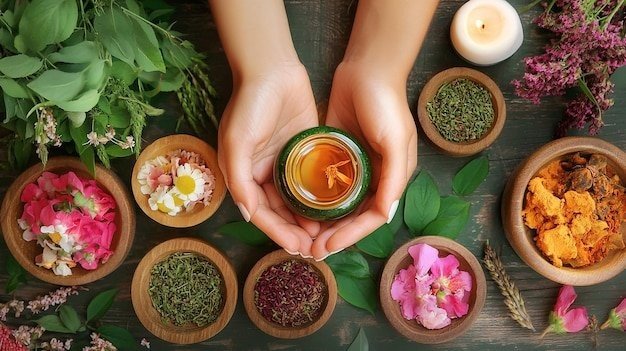
Lupus is an autoimmune disease that can have effects on the skin, joints, kidneys, and other body parts. People seeking Ayurvedic treatment for lupus need to know about traditional methods of wellness and the need for scientifically based medical treatment. This knowledge will be very helpful for such patients as it will enable them to make more sound choices regarding their lifestyle.
The discussion at the Nirmal Ayurved & Panchkarm Clinic regarding Ayurvedic treatment needs to start from the symptoms and present medical treatment of an individual patient. Ayurveda can be considered an additional treatment but not a substitute for medication.
Understanding Systemic Lupus Erythematosus (SLE)
Systemic Lupus Erythematosus (SLE) is an autoimmune disease that lasts for many years. Here, the body’s defence mechanism attacks its own tissues, causing inflammation. The symptoms can be very diverse, and the disease affects different systems of the body.
Some common signs of lupus include:
- Fatigue and low energy
- Joint pain, stiffness and/or swelling
- Different kinds of skin rashes, including one that resembles a butterfly on the patient’s cheeks and nose
- Sunlight sensitivity
- Ulcers in the mouth and/or nose
- Fever without any identifiable cause
- In some patients, kidney complications arise
Symptoms may go away for a while and then flare up. Not all of the mentioned symptoms indicate the aggravation of lupus, though.
How Doctors Diagnose and Monitor Lupus
There is no one test that definitively diagnoses all cases of lupus. The doctor looks at a combination of the patient’s history, symptoms, physical findings, and lab test results.
These might be a test for antinuclear antibodies (ANA), double-stranded DNA antibodies, blood cell counts, urinalysis, and kidney tests. Additional tests may be done by the doctor based on the specific symptoms.
This is important to remember since lupus may be causing damage internally even though the symptoms appear to be under control. This will help in evaluating the disease process.
Ayurvedic Treatment for Lupus: Understanding the Complementary Approach
Ayurvedic treatment incorporates traditional theories such as dosha balancing and Ojas to explain some factors contributing to health or vitality. The above are Ayurvedic theories and cannot be likened to contemporary immune system parameters.
Those who wish to try Ayurvedic treatment for Lupus need to have an open discussion with their Ayurvedic specialist and rheumatologist. Some people will consider adopting some milder therapies such as relaxation techniques, healthy diet changes, etc., as supplementary treatments. However, there is no scientific proof yet that Ayurvedic treatments can cure lupus or can prevent organ damage.
Herbal formulas and detox methods will have some side effects and can react with your medications. Do not adopt any herbs or cleanse therapy without consulting a doctor especially if you have lupus involving your kidneys or liver.
Lupus Diet and Lifestyle: Everyday Habits That May Help
Balancing your diet will help you keep healthy, but there is no particular diet that can cure lupus. In case you have kidney problems, hypertension, or any other health issues, your nutritional requirements may vary.
Pick a Healthy Diet
Consume a mixture of vegetables, fruits, whole grains and appropriate protein foods. Avoid excessive consumption of processed foods and too much salt, particularly if your doctor advises sodium reduction. Inquire with your medical team prior to consuming any supplements or adhering to special diets.
Shelter Your Skin from the Sun
Sun exposure may cause reactions in some patients suffering from lupus. Make use of broad-spectrum sunscreen, clothing and shade as per the recommendation of your clinician. This may be part of your personal Lupus Symptoms and Treatment regimen.
Engage in Gentle Physical Exercise
Activities such as walking and stretching could help in keeping one’s body mobile. One’s physical exercise should be based on how energetic one feels and the symptoms in his or her joints.
Manage Sleep and Stress
One could engage in activities like sleeping regularly and breathing exercises. Stress Management for Lupus should act as a complement to medical treatment.
Lupus Flare-Up Management and Medical Safety
A lupus flare includes new symptoms or flare-ups of symptoms. Talk to your doctor about any major changes, and continue following your prescribed treatment protocol.
Urgent medical assessment is required in case of symptoms like chest pain, problems breathing, confusion that has developed recently, seizures, or sudden weakness. These symptoms point to a more serious condition and need proper treatment rather than any kind of home remedy.
Don’t discontinue your steroids, immunosuppressive drugs, or other prescribed medication just because you’re feeling well or have decided to try some other remedy. Any changes might turn out to be risky.
An Integrative Approach to Lupus Care
Lupus Complementary Care can be most effective when practitioners understand the importance of medical care from specialists. A complementary approach could involve the use of medications, ongoing monitoring, proper nutrition, exercise, good sleep and stress management.
If you want to consider any Ayurvedic treatment at Nirmal Ayurved & Panchkarm Clinic, please share the list of medications you are taking, your diagnoses and other test results with your healthcare professionals. This would help your care providers evaluate any possible interactions and practices that may not be suitable for you.
When choosing the Best Ayurvedic Clinic in Delhi, please pay attention to clear communication, professional treatment and coordination with your doctor. The same applies when choosing Ayurvedic Treatment for Skin Disorders. It is important to note that, in case of a skin rash, it may be related to lupus and not to a skin problem itself.
Why Choose Nirmal Ayurved & Panchkarm Clinic?
We know at Nirmal Ayurved & Panchkarm Clinic that everyone has different health requirements. The treatment we offer involves identifying your wellness needs and talking about possible ways to implement Ayurvedic procedures in accordance with your personal healthcare plan. We welcome the idea of making decisions that include open communication with your other healthcare providers.
- Personalised Guidance: Discuss your health concerns and individual wellness requirements.
- Traditions of Ayurveda: Discover Ayurveda procedures guided by a professional.
- Lifestyle and Dietary Guidance: Get information about nutrition and how to cope with stress.
- Healthcare Safety: Get familiar with the risks and continue using medical treatment.
- Patient-Centred Treatment: Make an informed decision taking into account your healthcare needs.
When considering Ayurvedic Treatment for Lupus, we suggest you understand that such treatment is complementary to the consultation with a rheumatologist.
Conclusion
SLE is a multi-faceted disease and needs continuous monitoring and customised care. Apart from conventional treatments, good lifestyle choices and proper nutrition can also help in maintaining overall health.
In case you wish to receive support through Ayurveda for lupus, at Nirmal Ayurved & Panchkarm Clinic, we would like to emphasize on a sensible approach of Ayurvedic assistance without compromising on evidence-based medicine. As Ayurveda has not been proven to be effective in treating lupus, people with this condition should talk to their rheumatologist first before going in for any herbal medications or detoxification therapies.
If you want to know more about the Ayurvedic Treatment for Lupus, get in touch with us at Nirmal Ayurved & Panchkarm Clinic.