




Blog
Best Treatments Explaining How to Stop Itching from Kidney Disease

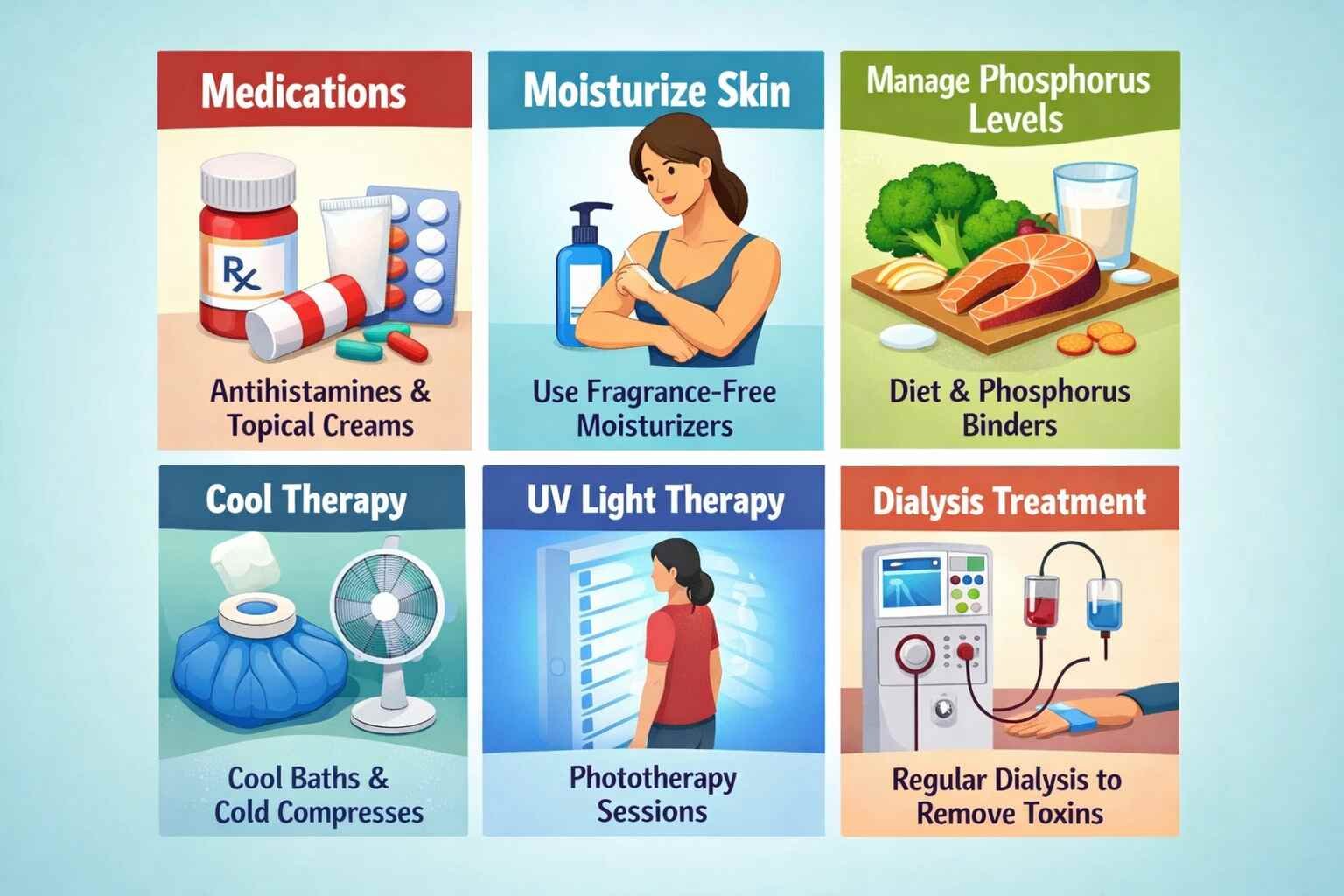
You already realize that itching can be like an unwanted visitor who is not willing to go when you are and your loved one has kidney disease. It is frustrating as many patients daily seek answers to how to stop itching from kidney disease. The good news? Kidney specialists and doctors are very familiar with this symptom and there are a number of effective treatments available to deal with it. In addition to medical care, other people seek supportive measures such as ayurvedic treatment for kidney disease as a wider component of the overall care plan, guided by a professional.
Here, we are going to dissect the causes, treatment, and tips in an easy and straightforward manner in this guide. No exaggerated claims. No miracle cures. Only real facts supported by respected medical authorities and practice.
Why Does Itching Happen in Kidney Disease?
This is referred to as uremic pruritus by doctors and commonly occurs in individuals with chronic kidney disease (CKD) or under dialysis. According to research conducted by the National Kidney Foundation, some 40-50 percent of dialysis patients experience moderate to severe itching at some point.
Itching in kidney disease can be precipitated by several factors such as:
- Accumulation of waste products in the blood.
- High phosphorus levels
- Dry skin
- Nerve irritation
- Body inflammation.
Your kidneys are your water filter. Once the filter is slow, the impurities remain behind. It irritates the skin and nerves by those impurities and results in chronic kidney disease skin itching.
Common Symptoms You Should Not Ignore
Most individuals believe that itching is a simple skin problem. It is a common indication of internal imbalance in kidney disease. The identification of the pattern assists the doctors in selecting the appropriate kidney disease itching treatment.
Look to the following symptoms:
- Pruritus without a rash.
- Increased itch at night.
- Dry, flaky skin
- Scratches or skin infections.
- Itching causes sleep problems.
- severe itching in dialysis patients
When the itching keeps you up at night your body sends you a message: there is something you have to pay attention to.
Also Read : Natural Ayurvedic Remedies for Kidney Cleansing: A Complete Guide to Detox and Wellness
Best Medical Treatments Explaining How to Stop Itching from Kidney Disease
Now, we will discuss the treatments that physicians do prescribe. These alternatives are based on clinical recommendations and research on nephrology.
1. Streamline Dialysis and Kidney Care.
This is the very first step on the list. Provided that dialysis is successful, the concentration of toxins decreases, and the itching process is usually better.
Doctors may:
- Adjust dialysis duration
- Improve dialysis efficiency
- Measure blood chemistry periodically.
The Mayo Clinic reports that dialysis management is one of the best methods to alleviate chronic itching among patients with kidney diseases.
2. Control Phosphorus Levels
Itching in kidney disease is strongly associated with high levels of phosphorus. Doctors usually recommend:
- Low-phosphorus diet
- Phosphate binders
- Regular blood tests
Here’s the logic:
Fewer phosphorus in the blood would translate to fewer skin irritants. Pure science, yet mighty outcomes.
3. Moisturizers and Skin Care Daily.
Itching is aggravated by dry skin. Regular skin care is quick treatment to most patients.
Doctors suggest:
- Fragrance-free moisturizers
- Lukewarm use of water rather than hot water.
- Gentle soaps
- Soft cotton clothing
Such a routine might look simple, but it is effective. Indeed, the first-line defense against itching caused by kidneys may include moisturizers listed in the guidelines of dermatology.
4. Drugs that Decrease Itching of the Nerves.
In case of severe itching, physicians can prescribe drugs that relax nerve signals.
Common options include:
- Gabapentin
- Pregabalin
- Sedative antihistamines.
Such drugs are not curing kidney disease, but Nirmal Ayurved & Panchkarm Clinic may be of great help in alleviating pain. You should never take them without medical supervision.
5. Phototherapy (Medical Light Treatment)
Physicians occasionally prescribe ultraviolet B (UVB) phototherapy to intractable itching.
This treatment:
- Reduces inflammation
- Calms skin nerves
- Improves sleep quality
Phototherapy is a therapy that is usually applied in hospitals when other methods have failed.
Can Lifestyle Changes Really Reduce Itching?
Yes, and the influence can be very powerful.
Minor daily practices tend to make large changes in the treatment of kidney disease itching.
Helpful Lifestyle Tips
- Take fluids according to the recommendations of your doctor.
- Avoid hot showers
- Have the nails kept short to avoid skin trauma.
- Have a humidifier during dry seasons.
- Adhere to kidney-safe diets.
One practical tip:
When your skin is as coarse as sandpaper, then your skin care regimen requires an update.
Supportive Care Options Some Patients Consider
Many patients explore complementary therapies alongside medical treatment. Some individuals look into ayurvedic treatment for kidney disease to support overall wellness, stress management, and lifestyle balance. While these approaches may provide comfort, Nirmal Ayurved & Panchkarm Clinic should never replace standard medical care.
In case you wish to use conventional treatments, you should select a trained and skilled practitioner. Indicatively, a patient seeking advice will tend to seek a best ayurvedic clinic in Delhi that has qualified practitioners and clear treatment schedules. Nirmal Ayurved & Panchkarm Clinic are also some of the clinics that can be found through their official Google Business profile, enabling patients to check credentials, reviews, and services before visiting.
Remember:
Professional advice and realistic expectations are always the two elements of responsible care.
When Should You See a Doctor Immediately?
Severe or sudden itching should not be disregarded. Medical examination is imperative in case you observe:
- Pain in bleeding or infected skin.
- Emergence of acute symptoms.
- A few nights of loss of sleep.
- Itching despite treatment.
Timely medication avoids complications and enhances a good life.
The Final Word: Relief Is Possible
Kidney disease already requires patience. Itching should not be another burden of misery. Luckily, physicians have learned how to stop itching from kidney disease as well as never before.
A combination of:
- Proper dialysis care
- Balanced mineral levels
- Skin hydration
- Targeted medications
- Healthy daily habits
And yes, sometimes a little humor helps too. If scratching burned calories, many kidney patients would qualify for an Olympic medal by now. Sadly, it doesn’t. So the smarter strategy is proper treatment, not tougher fingernails.
Think about evidence-based care, remain consistent with treatment, and collaborate with your healthcare provider. Itching can become a daily challenge with the right plan, yet a symptom that can be handled.