



Blog
Which Is the Best Dal for Kidney Disease?

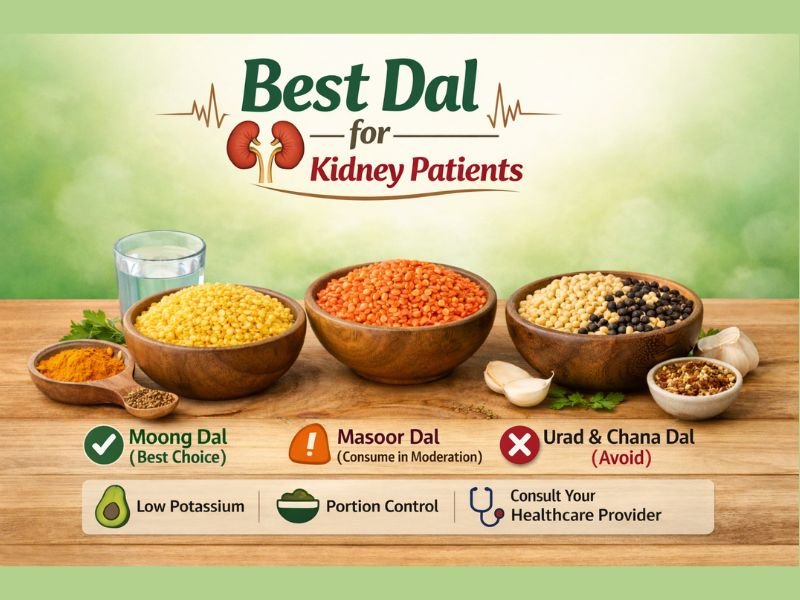
Kidney disease patients often wonder which dal is good for kidney patient health and whether traditional Indian foods can still be enjoyed safely. Choosing the Best dal for kidney disease requires understanding protein balance, potassium levels, and phosphorus levels—especially for people diagnosed with Chronic Kidney Disease (CKD).
At Nirmal Ayurved, under the guidance of Dr. Prashant Jain, we frequently guide families who ask: Is dal good for kidney patients? The answer is yes—but in moderation and with the right selection. In this detailed guide, we explain which dal is good for kidney patients, which ones to avoid, and how to cook dal for kidney patients safely.
Why Diet Matters in Kidney Disease
Kidneys filter waste, balance fluids, and regulate minerals. When kidney function declines:
- Excess protein intake may strain the kidneys
- High potassium levels can affect heart rhythm
- Elevated phosphorus levels may weaken bones
Dietary control becomes a major part of Ayurvedic Treatment for Chronic Diseases, especially in CKD.
Many patients following a structured 7-day meal plan for kidney disease ask about dal for kidney patients and how to include it safely.
Understanding Kidney Disease and Protein Needs
What Is Chronic Kidney Disease (CKD)?
CKD is a gradual loss of kidney function over time. In Ayurveda, this condition is managed through personalised Kidney Treatment in Ayurveda, focusing on balancing doshas and supporting kidney filtration.
The Role of Protein in Kidney Health
Protein is essential for:
- Muscle maintenance
- Immunity
- Tissue repair
However, excess protein intake increases the urea and creatinine load. That’s why identifying the Best dal for kidney disease is crucial.
Early vs Advanced CKD Diet
| CKD Stage | Protein Intake | Dal Frequency |
| Stage 1–3 | Moderate | 3–4 times/week |
| Stage 4–5 | Restricted | 1–2 times/week |
| Dialysis | Higher protein required | As per the doctor’s advice |
Always consult experts in Ayurvedic Treatment for Kidney Disease before making dietary changes.
Is Dal Safe for Kidney Patients?
Patients often ask: Is Dal good for kidney patients?
Yes, but:
- Portion control is essential
- Soaking and boiling reduce potassium levels
- Avoid excess salt and heavy tadka
Dals are among the Best protein sources for CKD patients when selected wisely.
Best Dal for Kidney Disease – Detailed Breakdown
Here, we answer voice-search style queries like ” Which dal is good for a kidney patient, and which pulses are good for kidney patients.
1. Moong Dal (Yellow/Green)
Many ask: Is moong dal good for kidney patients?
✔ Yes, in moderation.
- Lower potassium than many other dals
- Easy to digest
- Light on kidneys
Moong dal for kidney patients is generally considered the Best dal for kidney disease in the early stages.
How to cook dal for kidney patients (Moong Dal):
- Soak 6–8 hours
- Discard soaking water
- Double-boil method
- Minimal salt
2. Masoor Dal (Red Lentils)
Patients frequently ask: Is masoor dal good for kidney patients?
Masoor dal for kidney patients can be taken in limited portions.
- Moderate potassium
- Moderate phosphorus levels
- Better in early CKD
If you’re wondering again, is masoor dal good for kidney patients? The answer depends on lab reports.
3. Toor Dal (Arhar Dal)
Is toor dal good for kidney patients?
- Slightly higher potassium
- Limit in advanced CKD
- Avoid heavy gravies
Consume occasionally and monitor potassium levels.
4. Urad Dal
Many patients ask: Is urad dal good for kidney patients?
❌ Usually not recommended in later stages.
- High potassium
- Heavy digestion load
- Not ideal for weak kidneys
It falls under Dals to avoid kidney disease in moderate to advanced CKD.
5. Chana Dal
Is chana dal good for kidney patients?
Is chana good for kidney patients?
- Higher phosphorus levels
- May increase mineral load
It is often included in Dals to avoid kidney disease, especially when creatinine is elevated.
Low Potassium Dal Options
For those searching for low potassium dal options, here is a quick comparison:
| Dal Type | Potassium Level | Recommendation |
| Moong Dal | Low–Moderate | Safe in moderation |
| Masoor Dal | Moderate | Limit portion |
| Toor Dal | Moderate–High | Occasional |
| Urad Dal | High | Avoid |
| Chana Dal | High phosphorus | Avoid/Limit |
Choosing the Best dal for kidney disease depends on the stage and lab reports.
How Much Dal Can a Kidney Patient Eat?
Portion size matters more than type.
- ½ cup cooked dal per serving
- 3–4 times/week (early CKD)
- Monitor creatinine
Proper protein intake prevents both deficiency and overload.
At Nirmal Ayurved, diet plans are customised under expert supervision as part of Ayurvedic Treatment for Kidney Disease.
How to Cook Dal for Kidney Patients Safely
Correct cooking reduces potassium levels.
Safe Cooking Tips:
- Soak 8 hours
- Discard soaking water
- Pressure cook with excess water
- Drain and reheat
- Avoid packaged masala
This method is crucial in Kidney Treatment in Ayurveda, where diet is part of healing.
Dal for Different Stages of Kidney Disease
Stage 1–3 CKD
- Moong dal preferred
- Masoor occasionally
- Monitor phosphorus levels
Stage 4–5 CKD
- Strict portion control
- Avoid urad and chana
Dialysis Patients
Dialysis patients may need higher protein intake. Consult before increasing dal for kidney patients.
Sample Kidney-Friendly Moong Dal Recipe
Ingredients:
- ¼ cup soaked moong dal
- Turmeric
- Jeera
- Minimal rock salt
Method:
- Soak overnight
- Double boil
- Add a light tadka in ghee
This is one of the Best protein sources for CKD patients when prepared correctly.
Common Mistakes to Avoid
- Overeating dal, thinking it’s healthy
- Ignoring potassium levels
- Adding too much salt
- Not reviewing lab reports
Many patients also ignore foods to avoid in kidney disease, which worsens mineral imbalance.
Final Verdict – Which Dal Is Best for Kidney Disease?
The Best dal for kidney disease is usually moong dal, consumed in moderation, properly soaked, and boiled.
However, the answer to which dal is good for kidney patients depends on:
- CKD stage
- Potassium levels
- Phosphorus levels
- Dialysis status
There is no one-size-fits-all approach in Ayurvedic Treatment for Chronic Diseases.
When to See a Doctor About Your Kidney Diet
Consult immediately if you experience:
- Swelling
- Fatigue
- Loss of appetite
- Rising creatinine
- High potassium levels
At Nirmal Ayurved, we combine dietary planning with holistic Kidney Treatment in Ayurveda for long-term kidney support.
Personalised Diet Matters More Than General Advice
Every kidney patient is unique.
Factors influencing dal tolerance:
- Diabetes
- Blood pressure
- Dialysis
- Age
That’s why at Nirmal Ayurved, Dr. Prashant Jain designs individualised plans under structured Ayurvedic Treatment for Kidney Disease protocols.
Quick Comparison Table – Safe vs Avoid Dals
| Category | Dal Type | Guidance |
| Safe (Moderation) | Moong Dal | Best choice |
| Limit | Masoor, Toor | Small portions |
| Avoid (Advanced CKD) | Urad, Chana | High potassium/phosphorus |
Key Takeaways for Kidney Patients
- Dal can be consumed carefully
- Moong dal is usually safest
- Cooking method reduces potassium levels
- Monitor phosphorus levels regularly
- Personalised guidance is essential
If you are searching online for the Best dal for kidney disease, remember that safe eating requires medical supervision.
Expert Advice Disclaimer
This blog is for educational purposes only. Always consult a qualified Ayurvedic or renal expert before changing your diet.
Book Your Consultation Today
If you or a family member is struggling with kidney concerns and looking for authentic Ayurvedic Treatment for Kidney Disease, connect with Nirmal Ayurved in Delhi.
Under the expert guidance of Dr. Prashant Jain, thousands of patients have received personalised care rooted in classical Ayurveda.
Visit our Google Business Profile or book your consultation today to receive a customised kidney-friendly diet plan and holistic treatment support.