




Blog
What Level of Eosinophils Indicates Cancer? Normal vs Abnormal Counts Explained

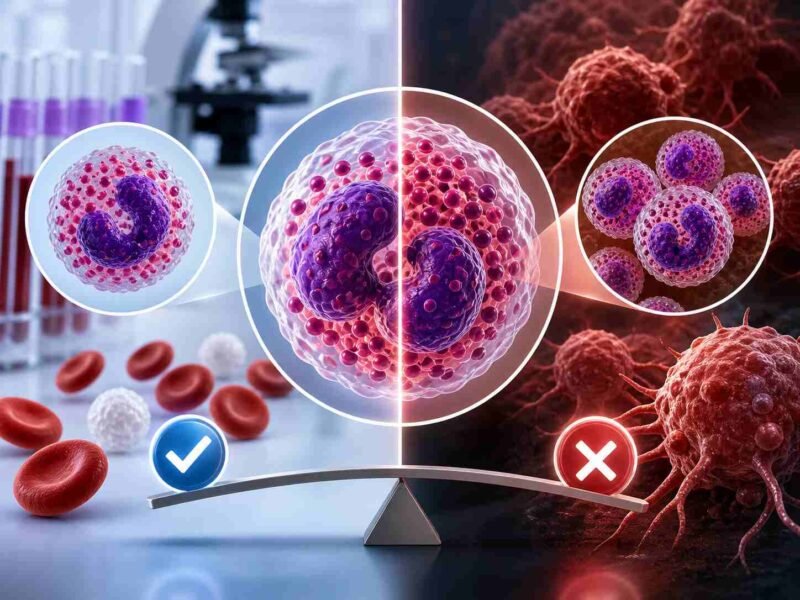
When people see the term what level of eosinophils indicate cancer on a blood report or Google search, panic usually arrives faster than the lab report explanation. And honestly, that reaction makes sense, medical terms rarely come with a friendly manual.
Before jumping to conclusions, it’s important to understand what eosinophils actually do, what their levels mean, and when they become clinically significant.
If you are also exploring holistic support options like Ayurvedic Doctors for Cancer Treatment in delhi, it becomes even more important to understand your blood report clearly first. Clinics like Nirmal Ayurved & Panchkarm Clinic and other Best Ayurvedic Clinic centers often recommend understanding lab results before combining treatment approaches.
Let’s break this down in a simple, fact-based way without unnecessary fear.
What Are Eosinophils in a Blood Test?
Eosinophils are a type of white blood cell. They play a role in:
- Fighting infections (especially parasites)
- Managing allergic reactions
- Supporting immune response regulation
When you look at eosinophil levels in blood test meaning, think of them as “immune system specialists” that show up mainly during allergies or infections, not silent cancer detectors.
They are measured in:
- Percentage (%) in CBC report
- Absolute eosinophil count (cells per microliter)
Understanding and interpreting CBC report eosinophil percentage is important before linking it to serious conditions.
What Is the Normal Eosinophil Range?
According to standard hematology references used in global laboratories:
- Normal eosinophil percentage: 1% to 4% of total white blood cells
- Absolute count: typically 100 to 500 cells/µL
This is considered a healthy range in most adults.
When levels rise above this range, it is called elevated eosinophils in complete blood count report, also known as eosinophilia.
But here’s the key point:
Elevated eosinophils do NOT automatically mean cancer.
This is where many online searches misunderstand the clinical significance of elevated eosinophils.
What Causes High Eosinophil Count?
Before jumping to rare causes like cancer, doctors first check common triggers.
Common causes of high eosinophil count:
- Allergies (dust, pollen, food reactions)
- Asthma
- Parasitic infections
- Skin disorders like eczema
- Drug reactions
These are the most frequent high eosinophil count causes seen in clinical practice.
So if your report shows a mild increase, your immune system is more likely reacting to something common, not dangerous.
When High Eosinophils Become Serious
Now comes the important question: when high eosinophils become serious?
Doctors become more alert when:
- Levels are persistently very high
- No allergy or infection is found
- Other abnormal blood findings appear
In such cases, eosinophilia may be linked with rare conditions, including certain blood disorders.
This is where people start searching for relationship between eosinophilia and cancer or the link between eosinophilia and blood cancer.
But here’s the truth:
Eosinophilia alone is NOT a diagnostic marker for cancer.
It is only a supporting signal in broader medical evaluation.
What Level of Eosinophils Indicate Cancer?
Let’s answer the main keyword directly: what level of eosinophils indicate cancer?
Medical research does NOT define a fixed eosinophil percentage that confirms cancer.
However:
- Mild elevation → usually allergy/infection
- Moderate elevation → chronic inflammation or immune response
- Severe persistent elevation → needs further investigation
In rare cases, very high eosinophils can be associated with:
- Certain leukemias
- Lymphomas
- Bone marrow disorders
But doctors NEVER diagnose cancer based on eosinophils alone.
They always combine:
- CBC trends
- Symptoms
- Imaging tests
- Bone marrow studies (if needed)
So the real answer is:
There is no single eosinophil percentage that confirms cancer.
This is why what level of eosinophils indicate cancer in percentage is not a fixed diagnostic threshold in medicine.
Why Eosinophils Rise in Serious Conditions
In rare cases, eosinophils increase due to abnormal bone marrow activity.
This may relate to:
- Blood production disorders
- Immune system dysregulation
- Certain cancers affecting blood cells
This is part of the broader causes of abnormal eosinophil count.
But again, these cases are uncommon compared to allergies and infections.
How Doctors Interpret Eosinophil Results
Doctors do not look at eosinophils in isolation. They consider:
- Total white blood cell count
- Symptoms like fever, fatigue, and weight loss
- Duration of eosinophil elevation
- Other CBC abnormalities
This is called proper eosinophil levels in the blood test, meaning interpretation.
Without this context, numbers can be misleading.
Ayurveda and Supportive Care Perspective
Some patients also explore integrative care options alongside medical evaluation, including Ayurvedic Doctors for Cancer Treatment in Delhi.
At centers like Nirmal Ayurved & Panchkarm Clinic and other Best Ayurvedic Clinic in Delhi, the focus is often on:
- Strengthening immunity
- Improving digestion
- Supporting overall wellness
However, it is important to understand:
Ayurveda should complement, not replace, diagnostic medical testing.
Blood reports must always be interpreted by qualified medical professionals first.
Misconceptions About Eosinophils and Cancer
Let’s clear some common myths:
Myth: High eosinophils mean cancer
Reality: Most cases are allergy-related
Myth: Any increase is dangerous
Reality: Mild elevation is common and often harmless
Myth: CBC alone diagnoses cancer
Reality: Cancer diagnosis requires multiple tests
Understanding this helps reduce unnecessary panic.
When You Should Actually Worry
You should consult a doctor if:
- Eosinophils remain high for weeks/months
- You have unexplained weight loss
- You experience chronic fatigue
- Other blood values are abnormal
These may indicate a need for further evaluation.
But remember:
Most elevated eosinophil cases are NOT cancer-related.
Simple Ways to Keep Eosinophils Balanced
While you cannot directly “control” eosinophils, you can reduce triggers:
- Manage allergies properly
- Avoid known irritants
- Treat infections early
- Maintain a healthy immune system
This helps reduce unnecessary immune activation.
Final Thoughts: Don’t Let One Number Scare You
If you came here searching what level of eosinophils indicate cancer, the most important takeaway is this:
Eosinophils are a signal, not a diagnosis.
They help doctors understand what your immune system is doing, but they cannot confirm cancer on their own.
So instead of focusing only on numbers:
- Look at the full report
- Understand symptoms
- Consult a qualified doctor
Whether you choose modern medicine or supportive options like Ayurvedic Doctors for Cancer Treatment in delhi, clarity always starts with proper diagnosis.
And if anything in your report feels confusing, it’s always better to get it reviewed rather than self-diagnosing through fear-based Google searches.