




Blog
Ayurveda vs Modern Medicine: Which Is Right for Your Health?

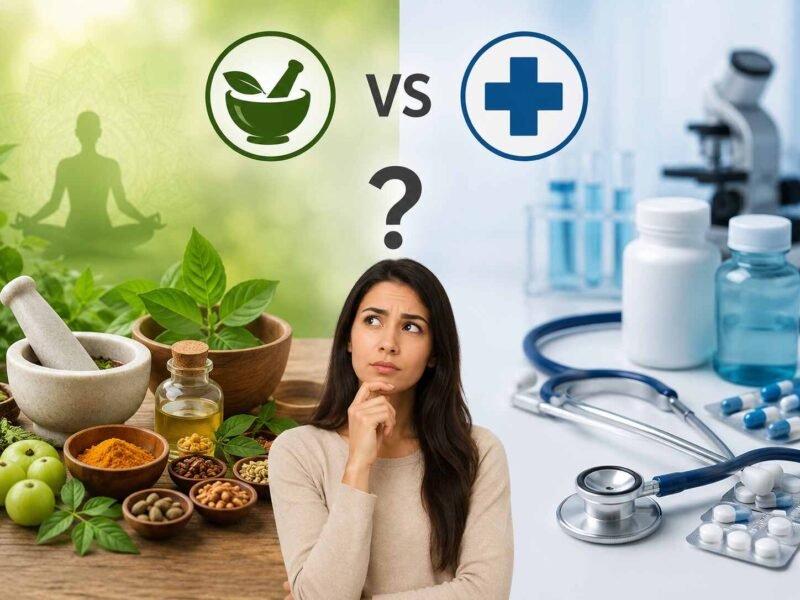
Healthcare decisions today feel more confusing than choosing a movie on a streaming app with 4,000 options. Some people trust natural healing methods completely, while others rely entirely on modern hospitals, medicines, and advanced treatments.
The debate around ayurveda vs modern medicine continues growing because people want healthcare that is effective, safe, and sustainable for long-term wellness.
Many patients visiting an ayurvedic clinic in Delhi now ask an important question: should they choose traditional healing or modern medical treatment? The honest answer depends on the condition, severity, lifestyle, and health goals of the individual.
And thankfully, healthcare is not a cricket match where one side must lose.
Understanding Ayurveda
Ayurveda is one of the world’s oldest healthcare systems. It focuses on balancing the body, mind, and lifestyle to support long-term wellness.
Ayurveda emphasizes:
- Natural healing methods
- Preventive healthcare
- Herbal medicine
- Diet regulation
- Stress management
- Lifestyle correction
Rather than focusing only on symptoms, Ayurveda looks at the root cause of imbalance.
Also Read : Complete Holistic Ayurvedic Treatment for Depression and Stress Relief
What Is Modern Medicine?
Modern Medicine, often called Allopathy, uses scientific research, clinical diagnosis, pharmaceuticals, and surgical procedures for disease management.
Modern medical treatment focuses on:
- Fast symptom relief
- Emergency care
- Diagnostic accuracy
- Surgical intervention
- Evidence-based treatment
It plays a critical role in trauma care, infections, organ failure, and life-threatening conditions.
Ayurveda vs Modern Medicine: Core Difference
The biggest difference between traditional medicine vs modern medicine lies in treatment philosophy.
| Ayurveda | Modern Medicine |
| Focuses on prevention | Focuses on disease treatment |
| Uses herbal medicine | Uses pharmaceuticals |
| Promotes holistic healthcare | Targets symptoms and disease |
| Emphasizes lifestyle changes | Relies on clinical intervention |
| Gradual healing process | Faster symptom management |
Both systems offer advantages depending on patient needs.
Benefits of Ayurveda
1. Focus on Root Cause
Ayurveda often aims to identify lifestyle imbalances contributing to disease.
This approach may help improve:
- Digestion
- Sleep
- Stress levels
- Energy balance
- Immune system support
2. Preventive Healthcare Approach
Preventive Healthcare is still one of Ayurveda’s strong principles.
In daily routine, balanced nutrition, detox therapies and stress management all work together , so the risk of many lifestyle disorders can be lowered.
3. Natural Healing Methods
Many patients prefer Ayurvedic treatment benefits because therapies often include:
- Herbal medicine
- Oil therapies
- Panchakarma
- Diet correction
- Yoga support
Patients searching for ayurvedic treatment for skin disorders also commonly explore holistic healing approaches to manage recurring skin issues naturally.
What Is Panchakarma?
Panchakarma is a cleansing and rejuvenation therapy used in Ayurveda.
It focuses on:
- Detoxification
- Stress reduction
- Digestive health
- Body balance
Many Ayurvedic clinics recommend Panchakarma for selected chronic disease and lifestyle disorder management programs.
Benefits of Modern Medicine
1. Fast Results in Emergencies
Modern medicine performs exceptionally well in:
- Heart attacks
- Accidents
- Infections
- Surgeries
- Critical care
No herbal tea can replace emergency surgery during a medical crisis.
2. Scientific Research and Diagnosis
Modern healthcare systems use:
- Blood tests
- MRI scans
- CT scans
- Ultrasound
- Laboratory diagnostics
This improves disease detection accuracy and treatment planning.
3. Effective Acute Disease Management
Modern medical treatment works efficiently for:
- Severe infections
- Trauma
- Organ disorders
- Emergency conditions
Rapid symptom control often becomes essential in such cases.
Can Ayurveda and Modern Medicine Work Together?
Yes, and that idea is becoming increasingly popular through integrative medicine.
Integrative healthcare combines:
- Scientific diagnostics
- Lifestyle improvement
- Nutritional guidance
- Holistic healing
- Preventive healthcare
Doctors and Ayurvedic practitioners sometimes work together to support long-term wellness while managing symptoms safely.
Which Conditions Respond Well to Ayurveda?
Ayurveda may support management of:
- Stress
- Digestive problems
- Mild joint pain
- Sleep disorders
- Lifestyle disorders
- Skin concerns
- Wellness improvement
People visiting an ayurvedic clinic in Delhi often seek natural support for long-term health management rather than emergency care.
Which Conditions Need Modern Medicine?
Modern medicine remains essential for:
- Severe infections
- Fractures
- Cancer treatment
- Emergency surgery
- Intensive care
- Organ failure
- Acute trauma
Relying only on home remedies during serious illness can become dangerous.
Ayurveda vs Allopathy for Chronic Disease
Chronic disease management often benefits from a balanced approach.
Many lifestyle disorders involve:
- Poor diet
- Stress
- Inactivity
- Sleep disruption
Ayurvedic lifestyle principles may support long-term wellness alongside medical supervision.
At the same time, patients should never stop prescribed medications without consulting qualified healthcare professionals.
Importance of Qualified Medical Guidance
Self-diagnosis through social media rarely ends well.
Professional healthcare guidance matters because:
- Symptoms can overlap
- Conditions vary in severity
- Wrong treatment delays recovery
- Some herbal remedies may interact with medicines
Choosing experienced practitioners improves safety and treatment outcomes.
You can also locate Nirmal Ayurved & Panchkarm Clinic through its Google Business Profile for professional Ayurvedic consultation and holistic healthcare support.
Is Ayurveda Scientifically Recognized?
Research on Ayurveda continues expanding globally.
Organizations such as:
- World Health Organization
- Ministry of AYUSH
- National Institutes of Health
have supported growing research into traditional medicine systems and integrative healthcare approaches.
However, evidence quality varies depending on therapy and medical condition.
How to Choose the Right Healthcare Approach
The right approach depends on:
- Disease severity
- Health goals
- Lifestyle factors
- Medical history
- Professional diagnosis
Ayurveda may suit:
- Preventive wellness
- Lifestyle management
- Long-term balance
- Stress reduction
Modern medicine may suit:
- Emergencies
- Surgery
- Acute infections
- Critical illnesses
Sometimes the smartest healthcare plan combines both responsibly.
Final Thoughts
The controversy between Ayurveda vs Modern Medicine should not be about demonstrating one system as superior to the other. Healthcare strategies both have positive attributes when implemented correctly.
The ayurvedic approach emphasizes the principles of preventive medicine, natural wellness, and holistic wellness. The modern medical treatment provides an immediate diagnosis, emergency treatment and scientifically tried medications.
Making the right health care choices requires you to know what’s happening, get advice from professionals and select treatments that are proven to be effective, safe and promote a healthy life.
For customized ayurvedic healthcare assistance, you may reach out to us at Nirmal Ayurved & Panchkarm Clinic and get natural wellness advice from a genuine ayurvedic clinic in Delhi.
Wisdom and science do not need to compete in healthcare, they need to work together.