




Blog
What Are the 5 Types of Kidney Disease? Symptoms & Treatments

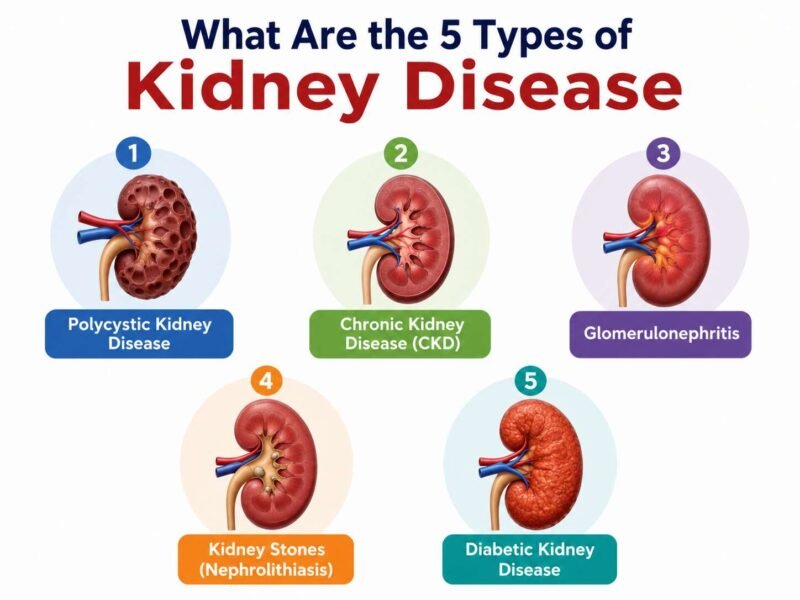
Kidneys are small organs, but they perform some of the most important functions in the human body. They remove waste, regulate fluids, control minerals and blood pressure. As a kidney disease progresses, the body begins to give clues. The trouble is, many people don’t pay attention to those signs until the situation has become serious.
This is why people are looking for information on what are the 5 types of kidney disease and how they impact health. Early recognition of these conditions can mean avoiding future complications such as heart disease, kidney failure, and serious infections.
With the increasing trend of holistic wellness, many patients resort to complementary treatments such as kidney treatment in Ayurveda along with medical treatment, to boost their lifestyle and achieve better health. Wellness centers like Nirmal Ayurved & Panchkarm Clinic also provide guidance to those who wish to maintain an additional holistic approach to treatment along with medical treatment. Several people also try panchakarma treatment in Delhi to help them manage stress and maintain health in the period of recovery.
This article provides medically accurate information about the five main types of kidney disease, symptoms, causes and treatment options.
Why Kidney Health Should Never Be Ignored
The kidneys are not a topic of discussion that most people consider unless something is amiss. Well, it’s not fair, but it’s only slightly. Every day, your kidney works just one-two-sides silently to filter about the 50 gallons of blood in your body without seeking applause.
Kidney disease affects millions of people around the world, and many of them don’t realize they have it until it’s quite severe. Typically, kidney issues emerge gradually, and frequent health check-ups are of paramount importance.
The kidneys control levels of blood pressure, toxins, electrolytes and red blood cells. As the kidney functions diminish, the whole body is affected.
Also Read : Complete Holistic Ayurvedic Treatment for Depression and Stress Relief
1. Chronic Kidney Disease (CKD)
Chronic Kidney Disease is one of the most prevalent kidney diseases. Typically grows slowly over time and may be silent in the early stages.
Chronic kidney disease is usually caused by diabetes and hypertension. Risk factors may include poor lifestyle habits, smoking, obesity, and long-term use of painkillers.
Early signs of kidney disease in CKD may not be very noticeable. May be tired more frequently, develop swelling of the feet or get up a number of times at night to urinate. Some also get muscle cramps, have less appetite or get foamy urine.
This is because many of the symptoms are harmless at first sight and are ignored by patients. Unfortunately, kidneys seldom cry out in pain until there is considerable damage done.
Blood and urine tests are usually used to diagnose CKD. They will also keep an eye on Creatinine levels in order to measure kidney function.
The primary aim of treatment is to limit additional damage. Treatment might involve blood pressure control, diabetes management, kidney protective drugs and lifestyle changes. As the disease progresses, Dialysis may be necessary.
Others also investigate complementary therapies such as ayurvedic kidney treatment to enhance their lifestyle, their diet and their stress management. But it is important that patients always seek advice from qualified healthcare professionals before making use of herbal medicines.
2. Acute Kidney Injury (AKI)
Acute Kidney Injury occurs all at once and is a medical emergency. In acute kidney disease (AKI) symptoms can develop in hours or days.
This condition is usually caused by severe dehydration, infections, heavy bleeding, heart-related complications and some medicines. In some cases, the kidneys just fail to work properly when they are subjected to excessive stress.
The symptoms usually involve decreased urine output, swelling, nausea, confusion and shortness of breath. Patients in severe cases may experience chest pain or be very weak.
The bright side of the story is that acute kidney injury can often go away if the cause of the injury is identified early. Typically, treatment involves fluid management, infection control, adjustment of medications and close monitoring.
Those who do not get treated face the risk of permanent kidney damage. Many things may be overlooked, but neglect is not one of the things that the kidneys will forgive.
3. Polycystic Kidney Disease (PKD)
PCKD is a hereditary condition in which fluid-filled cysts develop within the kidneys. These cysts swell and gradually damage the kidneys.
Many times, PKD is inherited or family oriented. When a parent is affected, the risk is greatly raised for the succeeding generations.
Symptoms will typically appear gradually. High blood pressure, back pain, blood in the urine, frequent kidney infections, and kidney stones are common problems that many patients find themselves with. There is also abdominal swelling noticed by some individuals, due to the large size of the kidneys.
Currently there is no cure for PKD, but treatment can slow the progression of the disease and manage the complications. Blood pressure management, hydration, pain management and treating infections are common therapies that doctors prescribe.
In addition, some of the patients also come for panchakarma treatment in Delhi programs for wellness which also helps in improving the lifestyle balance and stress management along with medical treatment. People interested in holistic wellness support often search the internet for clinics like Nirmal Ayurved & Panchkarm Clinic.
4. Glomerulonephritis
Glomerulonephritis is an inflammation of the tiny filters in the kidneys called glomeruli. These filters eliminate wastes and extra fluid from the blood.
If these structures are damaged by inflammation, the kidneys are unable to function normally.
May occur due to infections, autoimmune disorders, diabetes or immune system disorders such as Lupus. Sometimes the doctor may not be able to determine the exact cause right away.
Common symptoms are blood in the urine, swelling in the face or legs, high blood pressure and foamy urine. Others may also suffer from fatigue and UTI signs and symptoms similar to a common UTI.
This confusion also contributes to delay in treatment as the patient thinks that the infection is only temporary.
Typically, glomerulonephritis is treated with anti-inflammatory and anti-immune drugs. Other components of recovery include dietary changes and managing blood pressure.
5. Kidney Failure
Kidney Failure is when the kidneys are no longer able to function very well. This is usually a consequence of many years of unchecked chronic kidney disease or diabetes.
Kidney failure symptoms may have a huge impact on a person’s life. Patients might be tired all day, have trouble breathing, swelling may be severe, or urine output may greatly change.
Once this happens waste products start to accumulate in the body as the kidneys are no longer able to effectively filter blood.
Typically, dialysis or a kidney transplant will be required for treatment. Strict dietary changes and fluid control are also recommended.
The National Institutes of Health and the World Health Organization recommend that controlling two of the most important risk factors for kidney failure – diabetes and healthy Blood Pressure levels – remain two of the best ways to lower kidney failure risk.
How to Prevent Kidney Disease
Sometimes, making major lifestyle changes is not necessary for kidney disease prevention. Little things can add up over time.
Water helps the kidneys to get rid of toxins more efficiently. A balanced diet diet that decreases salt and processed foods also helps keep your kidneys healthy.
It is important for people with diabetes or high blood pressure to manage their health on an ongoing basis because both can raise the risk for kidney disease.
Regular activity, decreased smoking and also limited alcohol consumption additionally advantages the kidneys.
Doctors can detect signs of kidney disease in early stages with regular blood and urine tests before any serious damage has occurred. If a patient is diagnosed early, he or she can get much better treatment results.
Several people also incorporate Ayurveda kidney treatment with medical advice in Ayurveda programs that concentrate on nutrition, detoxification, and stress management as aiding wellness measures.
When Should You See a Doctor?
There are many people who delay seeking the opinion of a Nephrologist for too long. This delay may cause significant problems.
Swelling, blood in urine, constant fatigue, frequent urine changes and prolonged back pain should be met with medical advice. There are also symptoms that need professional evaluation if the infection in the kidney is ongoing.
If you don’t treat kidney disease, it will not go away. Keeping the kidney function optimal in the long-term depends on early diagnosis.
Final Thoughts
Understanding what are the 5 types of kidney disease helps people recognize warning signs before complications become severe. The five kidney disorders which include Chronic Kidney Disease and Acute Kidney Injury and Polycystic Kidney Disease and Glomerulonephritis and Kidney Failure create different impacts on kidney function which needs immediate medical treatment. People who seek expert advice together with complete health improvement options should reach out to Nirmal Ayurved and Panchkarm Clinic for assistance.
The combination of modern medicine with preventive healthcare and healthy lifestyle practices and wellness support methods results in improved kidney health. The earlier people act, the better their chances of protecting kidney function for the future.
Frequently Asked Questions (FAQs)
1. What are the 5 types of kidney disease?
The five major types of kidney disease include Chronic Kidney Disease, Acute Kidney Injury, Polycystic Kidney Disease, Glomerulonephritis, and Kidney Failure. Each condition affects kidney function differently and may require different treatment approaches.
2. What are the early signs of kidney disease?
Early signs of kidney disease often include swelling in the legs, fatigue, frequent urination, foamy urine, muscle cramps, and high blood pressure. Many people ignore these symptoms because they appear mild during the beginning stages.
3. What causes chronic kidney disease?
The most common kidney disease causes include diabetes, high blood pressure, obesity, smoking, infections, and long-term overuse of painkillers. Family history may also increase the risk of developing kidney problems.
4. Can kidney disease be cured completely?
Some kidney conditions, such as Acute Kidney Injury, may improve completely with early treatment. However, long-term conditions like Chronic Kidney Disease usually require lifelong management to slow disease progression and protect kidney function.
5. What are the common kidney failure symptoms?
Common Kidney Failure symptoms include severe fatigue, swelling, breathing problems, nausea, confusion, and reduced urine output. Patients should seek immediate medical attention if these symptoms appear.
6. How can I prevent kidney disease?
Kidney disease prevention starts with healthy daily habits. Staying hydrated, controlling diabetes, maintaining healthy Blood Pressure levels, eating a balanced diet, and avoiding smoking can significantly reduce kidney disease risk.